Ibn Thabit
Also known as: Ibn Thabit · ابن ثابت · إبن ثابت
Bio
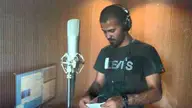
Anonymous Libyan rapper who chose a pseudonym because dissent was banned under Gaddafi. He started rapping against Gaddafi in 2008 and gave his songs away online. Days after Ben Ali fled Tunisia he released Al-Soo'al (January 2011), asking whether the revolution would reach Libya, then called Libyans into the streets; his songs were soon heard on radios and in shops, and he says revolutionaries played them before battle. In late 2011, after Gaddafi's fall, he announced his retirement to help build Libya in another way.
- Country
- Libya
- City
- Unknown
- Scene
- Libya and the internet
- Active since
- 2008
Sourced facts
Anonymous: he chose a pseudonym because any dissent was banned by law under Gaddafi and could lead to prison. Little is known about him beyond being a young Libyan man
Why this level: Wikipedia says he lives in Libya and is thought to be from Tarhuna; The Daily Beast and Fanack describe him as UK-based.
He started rapping against Gaddafi in 2008 because it was the only medium he had, as he wrote himself. He would play his music to friends in their cars with the windows rolled up, and fear would fill the silence afterwards
Why this level: Wikipedia says his first song online was “Moammar the coward”, in 2008.
A week after Ben Ali fled he released a song asking whether the revolution would spread to Libya, and his next songs called on Libyans to take to the streets. After eastern Libya was freed his audience grew exponentially and his songs were heard on radios and in shops; he says revolutionaries told him which of his songs they played before battle
Why this level: The details come from his own Guardian article; The Daily Beast and Fanack credit him with releasing revolutionary songs before the uprising began.
Milestones
Popularity and importance are two different things. These are the songs that changed something, each with the reason.
His first revolutionary song, released days after Ben Ali fled Tunisia, asking whether the revolution would spread to Libya; his answer was yes, as he wrote himself in The Guardian. It came out weeks before the Libyan uprising began.
Its title means “A call to Libya's youth”, and he released it days before the uprising began. He wrote in The Guardian that his songs after Al-Soo'al called on Libyans to take to the streets, and that revolutionaries later told him which of his songs they played before going into battle.
This ranking is the archive's editorial pick, not an official chart — and open to revision.
Most played
46,724 views on YouTube · as of 2026-10-06 [8]
37,562 views on YouTube · as of 2026-10-06 [7]
33,082 views on YouTube · as of 2026-10-06 [12]
32,087 views on YouTube · as of 2026-10-06 [11]
29,178 views on YouTube · as of 2026-10-06 [15]
24,319 views on YouTube · as of 2026-10-06 [9]
23,085 views on YouTube · as of 2026-10-06 [13]
17,351 views on YouTube · as of 2026-10-06 [10]
4,036 views on YouTube · as of 2026-10-06 [14]
Tracks (10)




Beefs
No documented beefs yet
We have no sourced beef or diss track for this artist. It appears here once a source or testimony arrives.
Timeline
Sources (15)
Discussion
This page's discussion has its own page. Go to the discussion